
Dry Scalp or Dandruff? What Causes Winter Hair Fall and How to Tell Them Apart
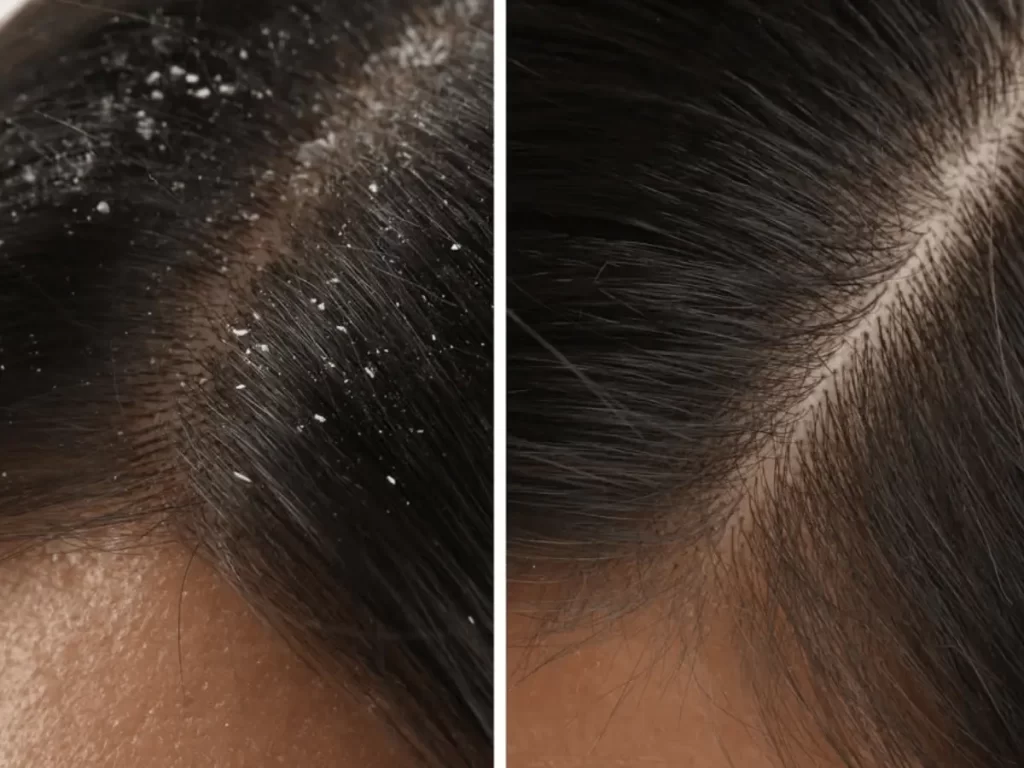
The difference in one line Dry scalp is a lack of moisture and oil — small, dry, white flakes on a tight, often itchy scalp. Dandruff is a condition of an oily scalp, driven by an overgrowth of a naturally occurring yeast called Malassezia — larger, yellowish, greasy flakes, often with redness underneath. They look […]
How to Choose a Haircut for Your Hair Type and Face Shape
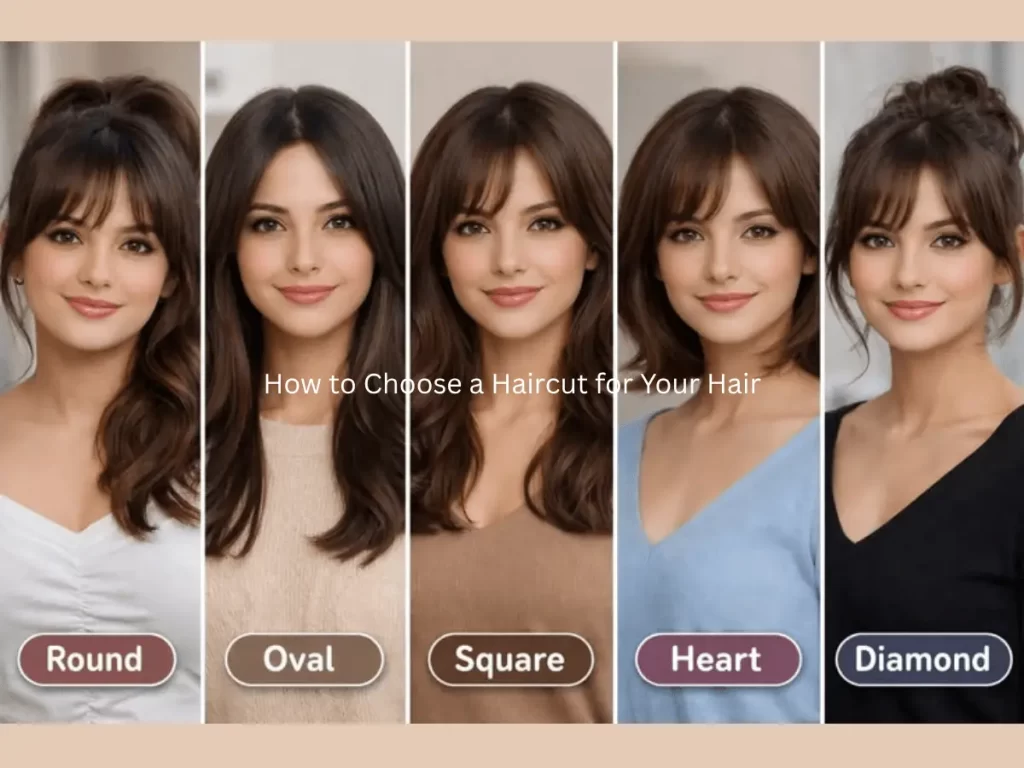
Start with hair type, not face shape Face shape gets all the attention, but it is the second consideration. A cut that fights your hair’s density, texture or growth pattern will not sit correctly no matter how well it suits your bone structure — and a cut that works with your hair usually flatters your […]
Balayage, Highlights and Ombre: How Each Technique Is Applied and How It Grows Out
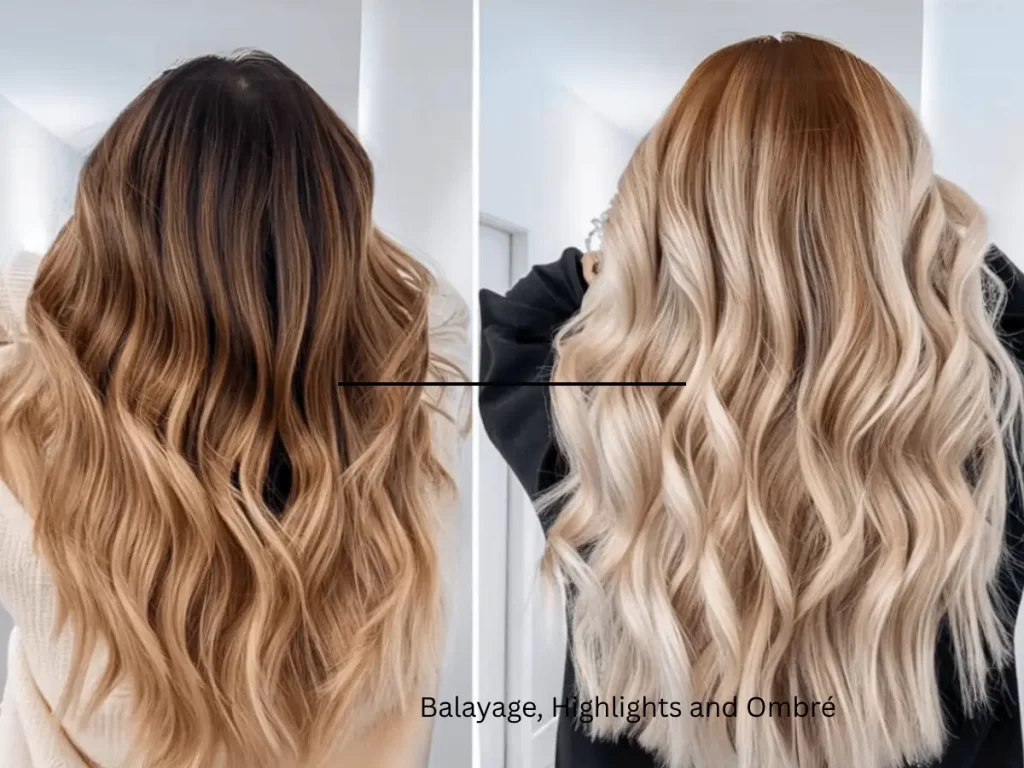
The short answer Balayage is a technique — lightener painted freehand onto the surface of the hair, heavier toward the ends, soft at the top. Highlights are a technique — sections woven out and saturated in foil from root to tip. Ombré is a result — a graduated shift from darker roots to lighter ends, […]
What Is Nanoplastia? How Amino-Acid Smoothing Works Without Formaldehyde
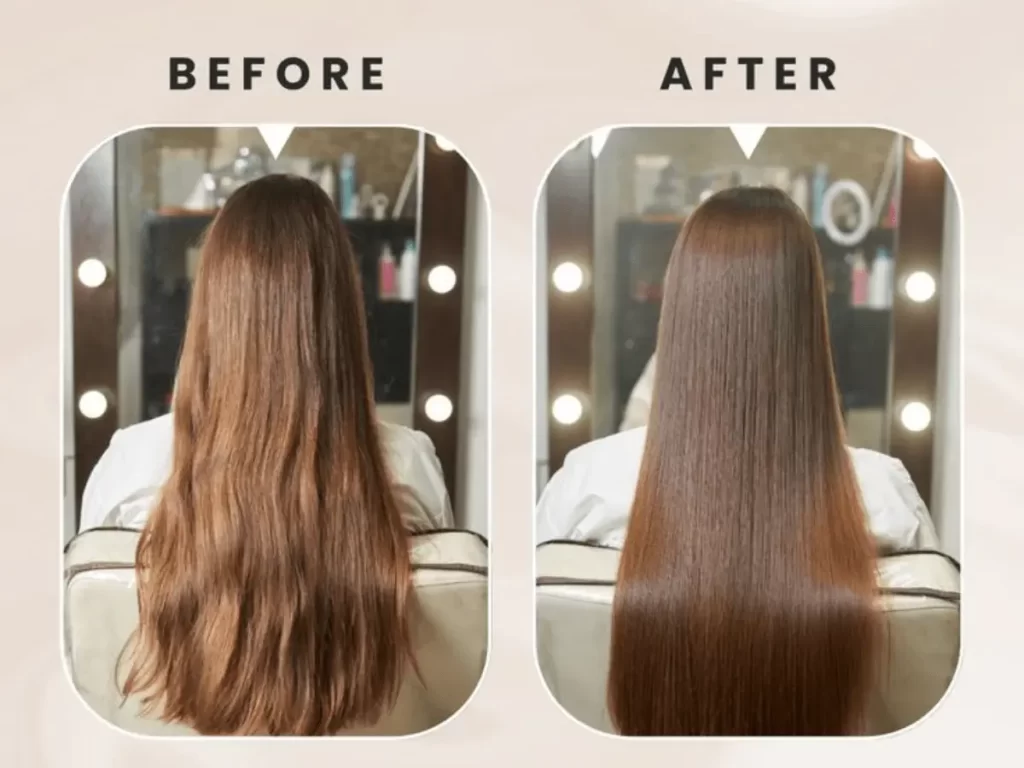
What is nanoplastia? Nanoplastia is a hair smoothing treatment that uses very small amino-acid and organic-acid molecules to realign the internal structure of the hair shaft. Applied to the hair and activated with controlled heat, it reduces frizz and loosens curl pattern for roughly four to eight months. Unlike traditional keratin treatments, it contains no […]
Keratin, Hair Botox and Nanoplastia: What’s the Actual Difference?
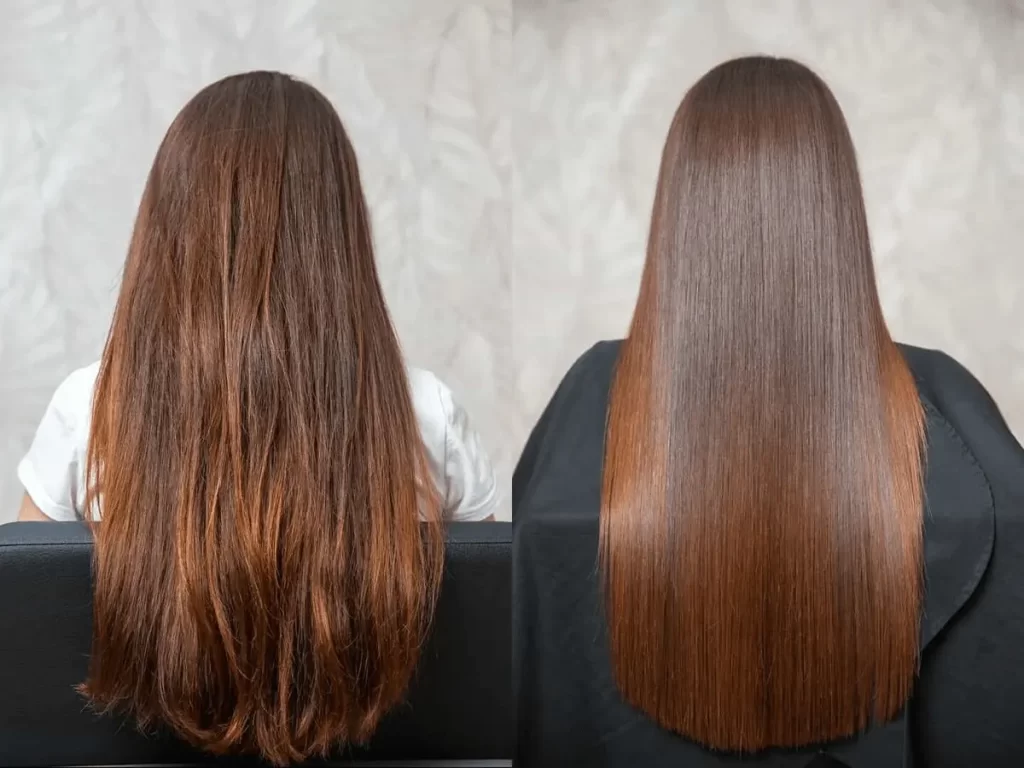
The short answer Keratin treatments coat the hair — protein is deposited onto and into the cuticle and sealed with heat, smoothing the surface and reducing frizz. Hair botox is a deep conditioning filler with no straightening chemistry; it fills damaged gaps in the cortex to restore body and shine. Nanoplastia uses amino acids and […]
What Causes Hyperpigmentation on Melanin-Rich Skin – and Why PIH Behaves Differently
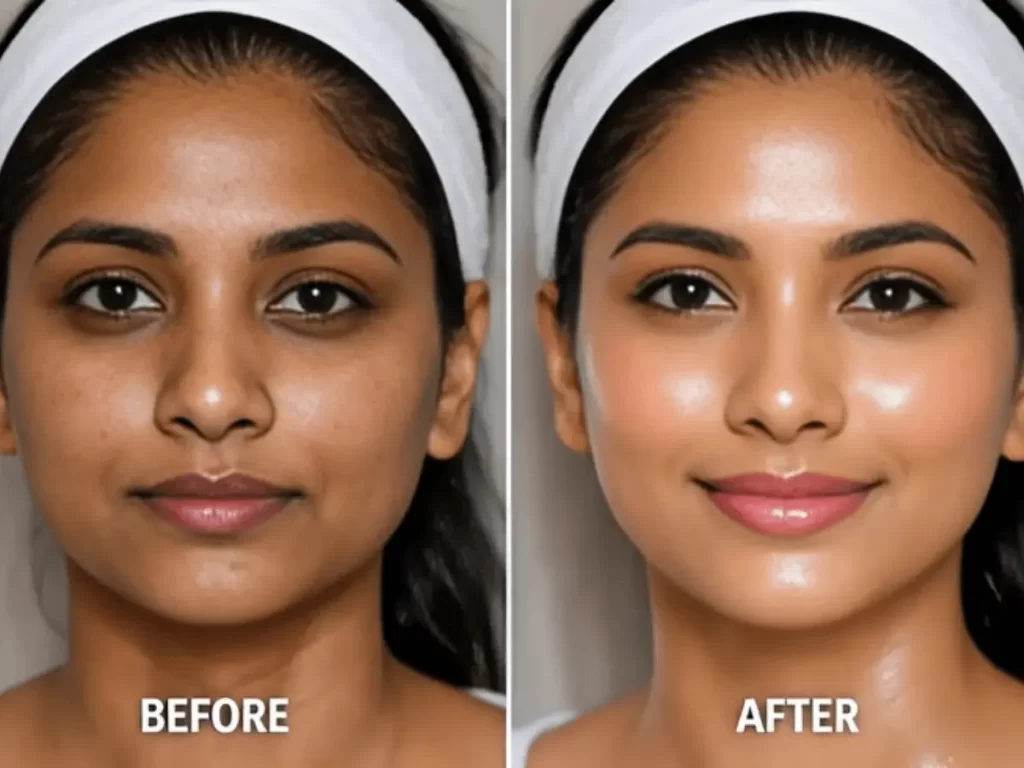
What causes hyperpigmentation? Hyperpigmentation happens when melanocytes — the pigment-producing cells in the lower epidermis – overproduce melanin in response to a trigger, and that pigment is deposited into the surrounding skin. The main triggers are inflammation, ultraviolet and visible light, hormones, friction and heat. In melanin-rich skin the melanocytes are more reactive and produce […]